Andratx: exclusivity and a traditional haven between the mountains and the harbor
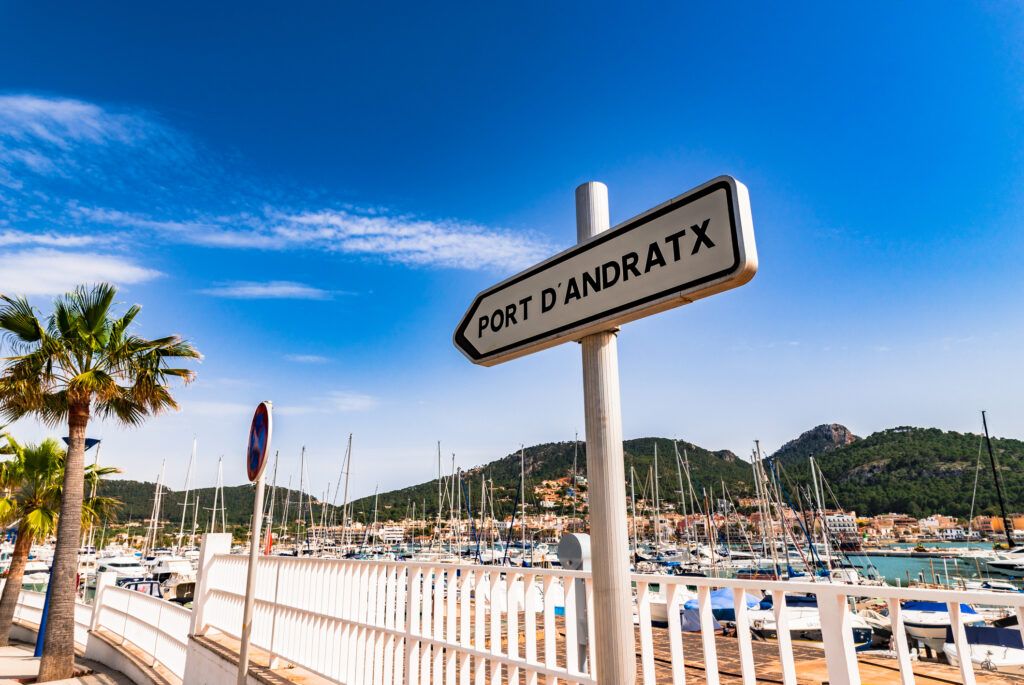
Port d’Andratx – Getty Images
This southwestern location is famous for combining the rustic essence of its inland town with the coastal luxury of its harbor, Port d’Andratx, which has established itself as one of the most exclusive maritime enclaves in the Mediterranean. It is a perfect area if you are looking for spectacular mountain landscapes, intimate coves, high-end designer stores, and an exceptional nautical atmosphere.
While Port d’Andratx stands out for its exclusive villas that can reach between 4 and 17 million euros, the inland town of Andratx maintains a much slower and traditional Mallorcan pace. Here, townhouses in the urban center are available within a much more contained price range.
Buying a property in Andratx costs an average of €7,344/m², according to Fotocasa data. Therefore, acquiring an 80-square-meter apartment in this municipality is around €587,531.
Alcúdia: medieval history and perfect beaches for family life
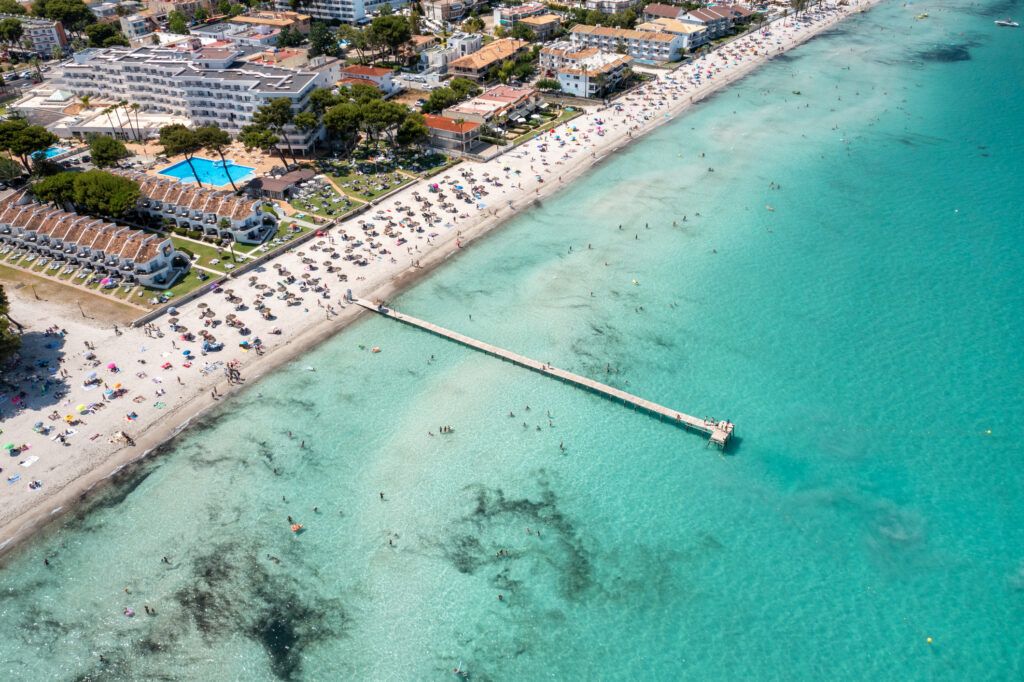
Alcúdia, Mallorca – Getty Images
Located on the northern coast, Alcúdia is famous for its medieval heritage, its well-preserved historic walls, and its proximity to extensive white sand beaches. Alcúdia is a highly sought-after destination for local and international families thanks to its safe environment, its abundant cycling and hiking routes, and a very close-knit community throughout the twelve months of the year.
Its town hall regularly organizes bi-weekly traditional markets and cultural events that keep the town active all year round.
Buying a property in Alcúdia costs an average of €4,314/m², according to the Fotocasa Real Estate Index for May 2026. This puts the average cost of a standard 80-square-meter apartment at €345,087.
Manacor: the major engine of the Llevant with year-round services
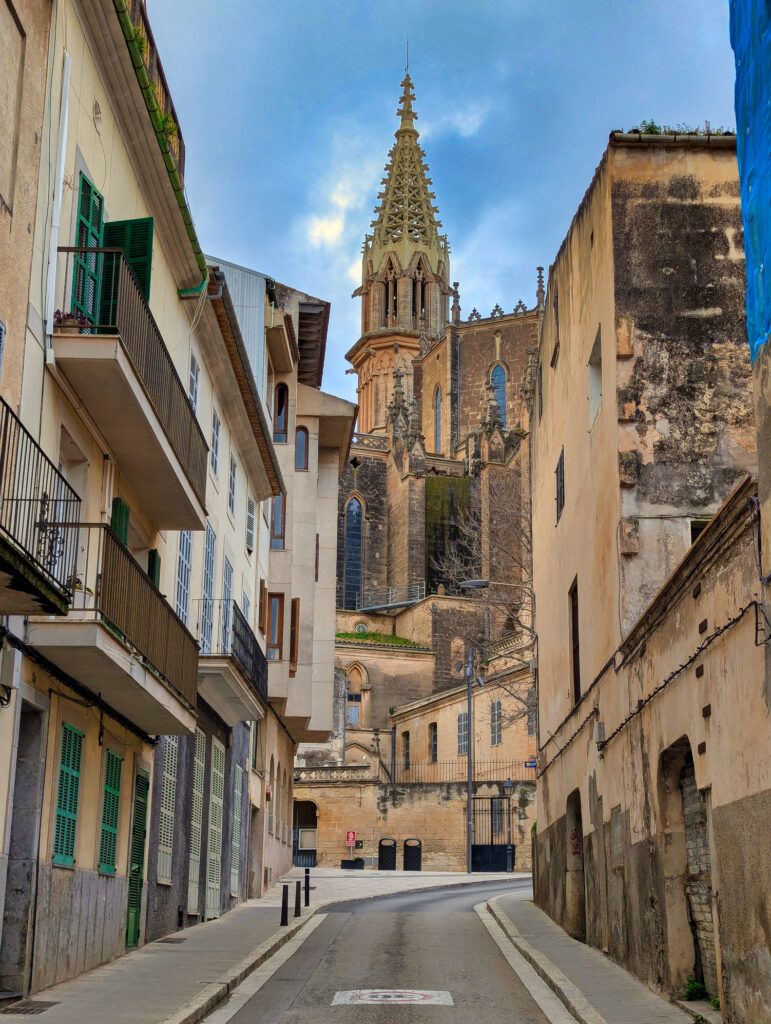
Nostra Senyora dels Dolors, Manacor, Mallorca – Getty Images
Manacor, the second-largest city on the island, is famous for being the economic capital of the eastern area, an independent commercial and industrial hub that features its own general hospital and the renowned Rafa Nadal Sports Academy. It is the ideal alternative for those seeking an active and autonomous local life, without depending on commutes to the capital or the seasonality of coastal tourism.
Manacor offers an excellent road connection to neighboring towns and the eastern coves of the island, in addition to a direct train line connecting to central Palma. Its property prices are highly competitive within the Balearic market.
Buying a property in Manacor costs an average of €3,153/m², according to Fotocasa figures. Thus, the estimated expenditure for an 80-square-meter property stands at €252,218.
Inca: the essence of the Raiguer with the best connectivity and the lowest price
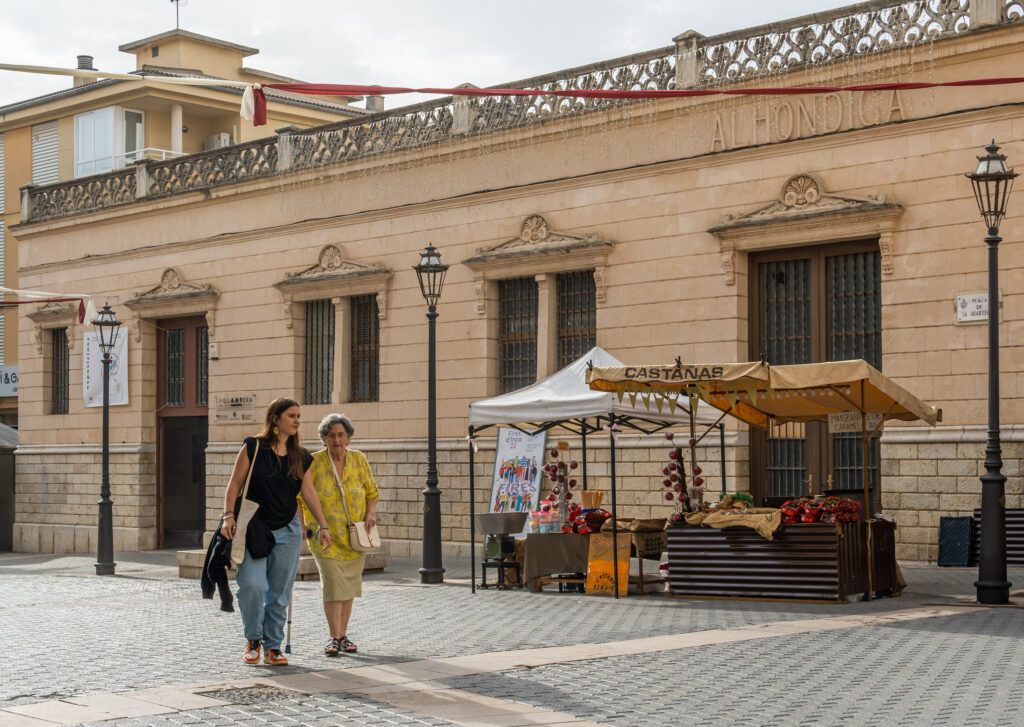
Inca, Mallorca – Getty Images
Located in the island’s central region, Inca is famous for being the heart of the Raiguer, its excellent train connectivity with Palma, and for offering all essential amenities with more affordable housing prices. As Mallorca’s third-largest town by population, it features a main hospital, high schools, primary schools, and a very extensive commercial network open all year round.
It is a very practical and convenient choice for the daily life of a resident, as the Ma-13 highway and the rail network allow you to reach downtown Palma de Mallorca in approximately 30 minutes, avoiding the high residential costs of the capital or the coast.
Buying a property in Inca costs an average of €3,023/m², according to Fotocasa data from May 2026. This makes this municipality the most affordable option in our analysis, where an 80-square-meter apartment costs an average of €241,810.
Property prices in the 5 best towns to live in Mallorca
| Location / Municipality |
Average Price |
Property Price (80 m²) |
| Andratx |
€7,344 |
€587,531 |
| Palma de Mallorca |
€5,225 |
€418,020 |
| Alcúdia |
€4,314 |
€345,087 |
| Manacor |
€3,153 |
€252,218 |
| Inca |
€3,023 |
€241,810 |
Source: Fotocasa Price Index, May 2026
What is it like to live in Mallorca as an expat? A market led by international buyers
According to official data from the College of Registrars for the first quarter of 2026, the Balearic Islands lead the national ranking for home purchases by foreigners, reaching 28.89% of the total real estate transactions in the region, ahead of the Valencian Community (28.16%) and the Canary Islands (22.78%).
If we analyze the distribution of these purchases according to their origin, EU buyers are the main protagonists:
| Nationality |
Percentage |
| European Union |
20.22% |
| Rest of Europe |
3.85% |
| Africa |
0.62% |
| South America |
0.39% |
| North America |
0.30% |
| Central America and Caribbean |
0.03% |
| Oceania |
0.05% |
Source: College of Registrars, 1st Quarter of 2026
This interest in establishing residency on the island is directly reflected in Mallorca’s demographic growth. In municipalities within the Raiguer or the Serra de Tramuntana regions, such as Ariany, Banyalbufar, or Estellencs, the percentage of international residents has increased significantly over the last five years, coming to represent nearly 30% of the total population in some of these towns.
Meanwhile, the major demographic and residential hubs maintain a highly solid upward trend:
- Palma de Mallorca: The foreign population increased by 3.06% in recent years, adding 16,798 people of other nationalities and already representing 20.75% of the total inhabitants of the Balearic capital.
- Calvià: It establishes itself as one of the main havens for expats, where the international population accounts for 33.82% of its more than 54,000 residents.
Key tips for moving and buying a home in Mallorca as a foreigner
Settling in Mallorca is an exciting life project, but it requires careful planning to ensure the transition is a complete success. Here are some essential recommendations if you are planning your move:
- Manage your paperwork in advance: The most important administrative step is to apply for the NIE (Foreigner Identity Number), which is essential for opening a bank account, setting up utilities, and, of course, formalizing the purchase of any property in Spain.
- Compare areas and market prices: The real estate market on the island is very diverse. We recommend using Fotocasa’s property search engine to compare prices per square meter in real time for each municipality and thus choose the location that best fits your budget and lifestyle.
- Learn about local tax costs: Remember that buying a home involves additional expenses such as the Property Transfer Tax (ITP) or VAT, in addition to notary and registration fees. Having local legal advice will save you from any surprises.
- Immerse yourself in the language and culture: While English and German are perfectly spoken in tourist and premium areas, learning Spanish (and integrating with Mallorca’s Catalan dialect) will completely transform your daily experience, ease your day-to-day paperwork, and open the doors to an authentic community life on the island.
If your priority is urban convenience, dynamism, and full connections, Palma de Mallorca is the natural choice. If you are looking for coastal exclusivity, Andratx is your place. For families looking to balance their budget without compromising on schools, hospitals, and a good transport network, municipalities like Inca and Manacor offer the best conditions today.
Do you dream of living near the sea? This article will interest you: “Coastline map of Spain: the best beach cities in Spain”




 Your home in Spain