Buying a house in the Balearic Islands in 2026: A guide to prices and best areas

Fotocasa is the expert real estate portal if you are looking for your home in Spain and want to resolve your doubts about housing

Patricia Andrés
Patricia Andrés Experta en el sector inmobiliario

Promedio de puntuación 3 / 5. Recuento de votos: 1

Hasta ahora, ¡no hay votos!. Sé el primero en puntuar este contenido.

  • The average housing price in the Balearic Islands reached €5,395/m² in March 2026, placing the cost of an 80 m² property at €431,574 on average. This figure is 79% above the national average, according to data from the Fotocasa Real Estate Index.
  • Municipalities such as Santa Eulària des Riu (Ibiza) are hitting all-time highs of €8.693/m² (approximately €695.456 for an 80 m² apartment), while Menorca offers more moderate options starting from €3,486/m² in Maó, where an 80 m² property costs an average of €278.850, according to the Fotocasa Real Estate Index for March 2026.
  • The region maintains an upward trend with a year-on-year growth of 8.5% (March 2026 vs. March 2025), driven by high international demand and a shortage of new developments.

Buying a house in the Balearic Islands is the dream of many people seeking quality of life, sun, and sea, but it is also a significant financial challenge due to current market prices.

At Fotocasa, we analyze the current state of the real estate sector in the archipelago so you know exactly what to expect if you decide to invest or move to the islands this year.

Are there still areas with competitive prices less than 30 minutes from the coast?

What is the average housing price in the Balearic Islands in March 2026?

The average housing price in the Balearic Islands stands at €5,395/m² as of March 2026, according to the latest data from the Fotocasa Real Estate Index. This figure means that purchasing a standard 80 m² property in the archipelago requires an average investment of €431,574 .

In terms of market evolution, this value represents a monthly increase of 1.8% and a consolidation of the upward trend with a year-on-year rise of 8.5% (compared to March 2025), according to the same source (Fotocasa).

Baleares es actualmente la comunidad autónoma más cara para comprar una vivienda en España, duplicando en muchas zonas el coste medio nacional.

This upward trend is explained by the strong pressure from international demand and the limited supply of available land on the islands, making housing a highly sought-after asset for both primary residence and investment.

Table: Average housing prices in the Balearic Islands for the main municipalities in March 2026

Below, we show the average home purchase prices in the most representative municipalities of the Balearic Islands in March 2026, according to Fotocasa data.

Municipality Purchase Price (€/m²) Price for 80 m² property
Santa Eulària des Riu (Ibiza) €8,693 €695,456
Eivissa Capital (Ibiza) €7,665 €613,229
Calvià (Mallorca) €7,125 €570,002
Andratx (Mallorca) €7,503 €600,234
Sant Josep de sa Talaia (Ibiza) €7,006 €560,510
Palma de Mallorca (Mallorca) €5,269 €421,555
Llucmajor (Mallorca) €4,222 €337,782
Ciutadella de Menorca (Menorca) €4,305 €344,424
Maó (Menorca) €3,486 €278,850
Inca (Mallorca) €2,925 €233,986

Source: Fotocasa, March 2026 data

As shown in the table above, Ibiza records the highest prices.

Mallorca, Menorca, and Ibiza: Which island to choose for buying a house?

The choice of island depends on the buyer’s priority: Mallorca is the best option for those seeking services, connectivity, and a varied real estate offer; Menorca is ideal for buyers who prioritize tranquility and slightly more competitive prices; while Ibiza and Formentera are the go-to destinations for the luxury market and international exclusivity.

Living in Mallorca: The combination of services and beaches

Mallorca is the most versatile island. It offers options ranging from the dynamism of Palma de Mallorca, where the average price of €5,269/m² involves an investment of approximately €421,555 for an 80 m² apartment in March 2026, according to Fotocasa data, to the exclusivity of municipalities like Calvià or Andratx. In these premium areas, the price per square meter ranges between €7,125 and €7,503, which raises the average ticket for an 80 m² home above €570,000, according to March 2026 data from the Fotocasa Real Estate Index.

For those looking to settle in the capital, neighborhoods like the bohemian Santa Catalina, the family-friendly environment of Son Espanyolet, or the coveted coastal area of Portitxol are the most in-demand options. On the other hand, if you prefer tranquility and traditional culture, villages nestled in the heart of the Sierra de Tramuntana, such as Sóller or Valldemossa, offer a unique sanctuary between the sea and the mountains.

Buying a home in Menorca: The haven of Mediterranean calm

Menorca has established itself as the preferred choice for families and buyers prioritizing a slow pace of life, moving away from the hustle and bustle of the larger islands. This peaceful character is also reflected in a real estate market with more moderate prices than in Ibiza or Mallorca. For example, in Maó (Mahón), the island’s capital, the price per square meter stands at €3,486, allowing for the purchase of an 80 m² home for an average value of €278,850, according to data from the Fotocasa Real Estate Index for March 2026.

Menorca offers more moderate prices compared to Ibiza or Mallorca and is ideal for those looking for a peaceful environment

Meanwhile, in Ciutadella, the cost of buying a home in March 2026 rises to €4,305/m², bringing the budget for a standard 80 m² house to €344,424, according to Fotocasa.

Beyond the urban centers, Menorca offers areas with a very distinct identity, such as Alaior, ideal for those seeking a more rural and authentic life in the island’s interior, or Fornells, the benchmark destination for nautical enthusiasts and the pristine landscapes of the north. In any case, the island offers an exceptional quality of life with a more accessible initial investment than the rest of the archipelago, while maintaining a steady trend of appreciation according to the latest Fotocasa analyses.

The Ibiza and Formentera market: Exclusivity and nature

Ibiza stands as the ceiling of the Spanish real estate market, where exclusivity and high international demand set the pace of prices. In municipalities like Santa Eulària des Riu, the cost per square meter reaches €8,693, translating into an average investment of €695,456 for a standard 80 m² property, according to data from the Fotocasa Real Estate Index for March 2026. This figure reflects the premium character of the island, where supply is scarce and highly coveted.

For its part, Formentera maintains its essence of absolute peace in hubs like Sant Francesc Xavier or Es Pujols, offering a even more limited and exclusive housing market which, according to Fotocasa’s analysis, attracts a buyer profile seeking total privacy and a direct connection with the archipelago’s untouched nature.

What is the culture and lifestyle like in the Balearic archipelago?

Living in the Balearic Islands means embracing a lifestyle defined by more than 300 days of sunshine a year and a connection with the Mediterranean. These islands are marked by two seasons: the tourist season and the low season. This means that if we decide to move to the Balearics, we can enjoy a unique duality: the vibrant cosmopolitan atmosphere of the high season and the restorative calm of winter.

Gastronomy and local traditions of the Balearic Islands
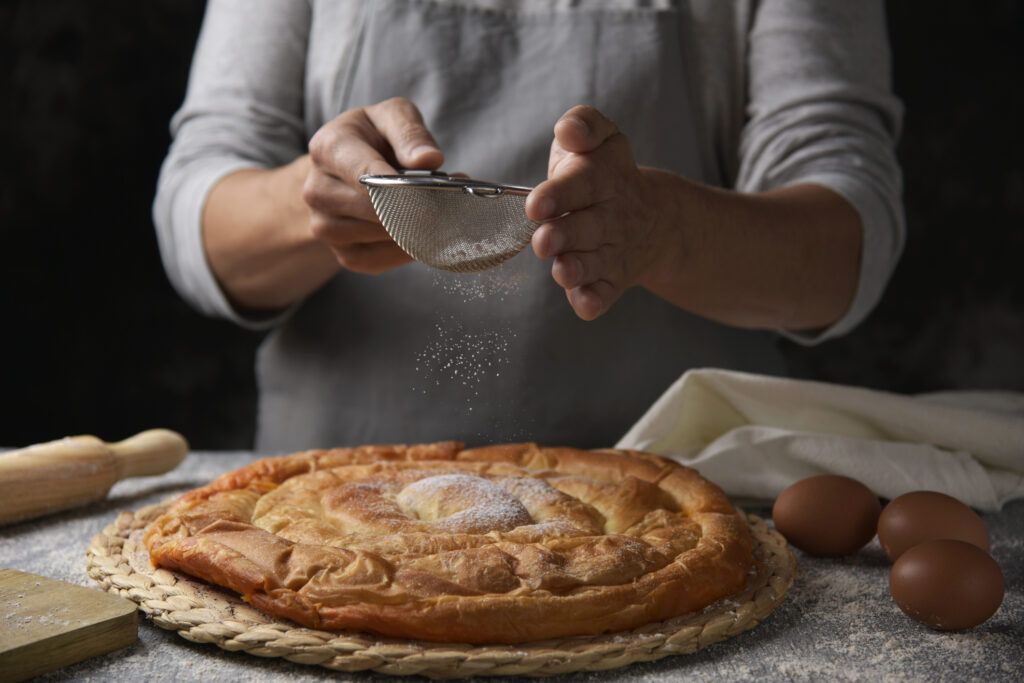
Ensaimada from Mallorca

Ensaimada from Mallorca

This cultural richness is literally savored through a gastronomy based on the Mediterranean diet, which is the pride of its inhabitants. Daily life in Mallorca cannot be understood without the aroma of freshly made ensaimadas or the flavor of tumbet and sobrasada.

The tradition takes on a more seafaring character in Menorca with its lobster stew (caldereta de langosta) or its iconic Mahón cheese. Meanwhile, in Ibiza and Formentera, the lifestyle is linked to historical dishes like bullit de peix or greixonera, reminding us that despite the luxury and international environment that defines the Pityusic Islands today, the soul of the islands remains anchored to the land and the sea.

The contrast of seasons in the Balearics: High vs. Low season

High season is between May and September. During these months, the islands transform into an international epicenter with an endless leisure offer and direct flight connections to all of Europe.

In October, when the low season begins, the archipelago recovers its most authentic essence. It is during these months that locals take the opportunity to hike the Sierra de Tramuntana or enjoy pristine coves in absolute solitude, while cities like Palma, Maó, or Eivissa keep their services, cultural offerings, and an enviable sense of security and family well-being alive.
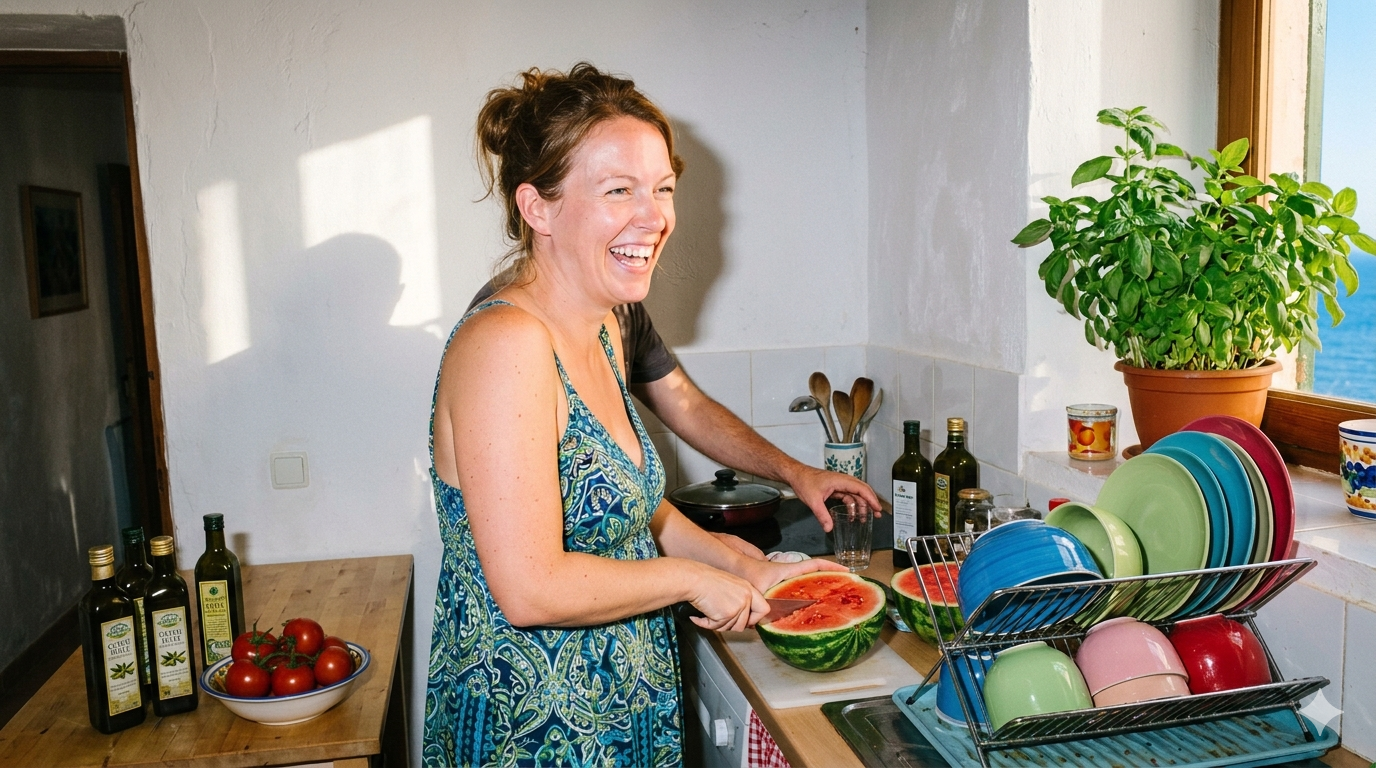

The Balearic Islands are not just a holiday destination; they are an ecosystem that balances the cosmopolitan European atmosphere with the relaxed pace of island life.

Between September and October, Ibiza celebrates the closing parties of its clubs, often leading to a high influx of tourists. The Fiestas de San Juan (June 23-24) in Mallorca and Menorca are also very popular and result in a significant number of visitors.

Services, safety, and connectivity in the Balearics

Beyond its tourist appeal, the archipelago is perceived as a safe and welcoming environment for families, maintaining notably low crime rates compared to other large metropolitan regions in Europe. This tranquility is complemented by first-class service infrastructure.

Regarding mobility, the islands have efficiently shortened distances. Mallorca leads in land connectivity with a public transport network (TIB) that includes train services and the archipelago’s only metro in Palma. However, what truly defines a resident’s daily life is the ease of island-hopping. There are fast ferries and inter-island flights (lasting barely 30 minutes) connecting the islands to each other and the mainland. Furthermore, residents usually enjoy discounts for traveling to mainland Spain, making it possible to find truly affordable trips.

What is the profile of the foreign buyer in the Balearic Islands?

Foreigners accounted for 31.47% of purchase and sale transactions in the Balearics in the 4th quarter of 2025, according to data from the Colegio de Registradores (Registry of Property). This profile is not just looking for a second home but sees the archipelago as a “safe haven” for their capital.

The foreign buyer in the Balearics typically has high purchasing power and seeks properties with specific characteristics:

  1. Germans: They are the primary buyers, especially in Mallorca, where they represent a substantial part of the market.

  2. British: They maintain constant interest, particularly in Menorca and Ibiza, despite Brexit.

  3. French and Italians: They have increased their presence, interested in rustic estates and homes with historical charm.

Expert conclusions: Is it worth buying a house in the Balearic Islands in 2026?

Despite recording the highest housing prices in Spain, the Balearics remain a very attractive destination for buying a home, thanks to their idyllic landscapes, privileged climate, and quality of life.

  • If you are looking for a secure investment with high appreciation, Southwest Mallorca and Ibiza are the most solid markets. If you are looking for a family home with a more balanced cost of living, Menorca and the interior of Mallorca offer the best value for money.
  • Buying in the Balearics today means accepting that prices are at historic highs. However, the structural housing shortage on the islands ensures that property values remain stable or rise in the medium term.
  • Before buying, it is vital to calculate additional expenses such as ITP (Impuesto de Transmisiones Patrimoniales or Property Transfer Tax), which in the Balearics is progressive and can be higher than in other regions, and to always verify the urban legality of rustic estates.

Are you thinking of buying a house in the Balearic Islands? Which is your favorite area?

At Fotocasa, we have an excellent team of professionals dedicated to creating relevant content for our readers. If you enjoyed this article, we would be delighted if you published it on your website. In that case, please remember to credit Fotocasa as the original source. Thank you for your support.

Editorial Integrity of Fotocasa Life

0 Comentarios
Más antiguo
El mas nuevo
Comentarios en línea
Ver todos los comentarios