What is it like living in Spain as an expat? Guide to the best cities in 2026

Fotocasa is the expert real estate portal if you are looking for your home in Spain and want to resolve your doubts about housing

Patricia Andrés
Patricia Andrés Experta en el sector inmobiliario

5/5. Votos: 2

Hasta ahora, ¡no hay votos!. Sé el primero en puntuar este contenido.

  • Buying an 80 sqm home in Spain costs an average of €252,308, and the average monthly rent is €1,131, according to data from the July 2026 Fotocasa Real Estate Index.
  • Madrid city (€19.95/sqm) and Barcelona city (€18.20/sqm) record the highest rental prices, while Valencia and Malaga offer a vibrant Mediterranean lifestyle with more affordable prices.
  • The cost of living in Spain is 23.1% cheaper than in countries like the United Kingdom, according to Numbeo figures, although administrative bureaucracy requires prior planning.

Moving to Spain is the dream of many expats and digital nomads. Its exceptional climate with over 300 days of sunshine a year, a relaxed lifestyle, and world-class cuisine lead many to fall in love with the country and choose it as their home. However, each Spanish city has a unique character and local customs you should know before making the move (and no, we’re not just talking about the famous siesta).

At Fotocasa, we give you first-hand insights on what living in Spain is really like: we break down the Spanish property market, the cost of living, and what to expect when landing in the country’s main cities. We take an in-depth look at Madrid, Barcelona, Valencia, and Malaga—along with their pros and cons—so you can pick your ideal destination.

How much money do you need per month to live comfortably in Spain depending on the city you choose?

What is the lifestyle in Spain like for expats?

Living in Spain as an expat means immersing yourself in an outdoors-oriented culture, where sidewalk cafés and terraces feel like an extension of the living room and social life sets the weekly rhythm. More than 6.9 million foreign residents live in the country, according to January 2025 INE figures, drawn by public safety and unmatched gastronomy.

Daily life in Spain prioritises personal connections, work-life balance, and shared leisure time. The morning coffee culture, pre-lunch aperitifs, and lingering after-meal conversations (sobremesas) are an essential part of life in any city.

Integrating as an expat in Spain is quick thanks to the welcoming nature of locals, though learning Spanish makes the real difference.

Outdoor sports, such as padel, running through city parks, or coastal getaways, are completely standard year-round thanks to its more than 300 days of sunshine.

What are daily schedules like in Spain and what should an expat expect?

Schedules in Spain surprise any foreigner during their first few weeks due to how out of sync they are compared to the rest of Europe.

  1. Lunch: served between 2:00 PM and 4:00 PM, it is the main and most substantial meal of the day.
  2. The midday shop closure: many local shops close from 2:00 PM to 5:00 PM for staff breaks, reopening until 8:30 PM or 9:00 PM.
  3. Dinner: restaurants rarely open their kitchens before 7:00 PM–8:00 PM, and most local diners arrive from 9:00 PM onwards.

It is also common for shops to close on Sundays and public holidays (except for restaurants, which typically take their closing day during the week, usually on Mondays).

Important: if you are in heavily touristed areas, these schedules may change and adapt to international visitors.

How much does housing cost in Spain? Rent and purchase prices in 2026

The average cost to buy a home in Spain stands at €3,154/sqm (€252,308 for an 80 sqm flat), while the average rent sits at €14.14/sqm per month (€1,131 per month for a standard 80 sqm property), according to official data from the July 2026 Fotocasa Real Estate Index.

The housing budget is the single most important financial factor for any expat or digital nomad relocating to Spain. To compare markets objectively, we look at official data from the July 2026 Fotocasa Real Estate Index calculated for a representative 80 sqm flat.

Property purchase prices in Spain in 2026

City Price per sqm 80 sqm flat
Madrid city €6,624 €529,900
Barcelona city €5,304 €424,280
Malaga city €4,331 €346,516
Valencia city €3,631 €290,459
National average €3,154 €252,308

Source: Fotocasa Real Estate Index, July 2026.

Rental property prices in Spain in 2026

City Price per sqm 80 sqm flat
Madrid city €19.95 €1,596
Barcelona city €18.20 €1,456
Valencia city €17.13 €1,370
Malaga city €16.23 €1,298
National average €14.14 €1,131

Source: Fotocasa Real Estate Index, July 2026.

As shown in the table above, Madrid city and Barcelona city lead in both purchase affordability strain and rental rates, both sitting above €18/sqm per month.

How much money do you need per month to live comfortably in Spain depending on your chosen city?

To live comfortably in Spain, a single person needs between €1,200 and €2,500 net per month, according to the actual cost report prepared by CalculonPro in March 2026. In capitals like Madrid or Barcelona, the recommended minimum net salary to avoid financial strain rises to between €1,800 and €2,200 monthly.

The cost of living in Spain is significantly lower than in cities like London, Amsterdam, or New York, sitting 23.1% cheaper than in the United Kingdom according to Numbeo records from February 2026.

  • Basic grocery basket: a litre of milk costs around €1.15, an artisan loaf of bread €1.44, a dozen eggs €3.06, and a kilo of chicken breast around €8.05.
  • Leisure and dining out: enjoying a three-course fixed-price lunch menu (menú del día) with a drink costs between €10 and €14, a small draught beer or local glass of wine €1.50, and dinner for two at a mid-range restaurant around €50.
  • Urban transport: monthly metro and bus passes range between €25 and €40 in most provincial capitals.

Menu prices include taxes and tipping is not mandatory, keeping overall spending well under control.

Finding rental housing in Spain represents the largest monthly outlay. Calculating the complete monthly cost for a standard 80 sqm home based on official average rents from the July 2026 Fotocasa Real Estate Index, the estimated total spending by city breaks down as follows:

Cost of living in Spain’s main cities

City 80 sqm rent Groceries Transport Utilities Estimated total
Madrid city €1,596 €300 – €350 €55 €140 – €230 €2,091 – €2,231
Barcelona city €1,456 €300 – €350 €40 €140 – €230 €1,936 – €2,076
Valencia city €1,370 €250 – €300 €40 €140 – €230 €1,800 – €1,940
Malaga city €1,298 €250 – €300 €35 €140 – €230 €1,723 – €1,863

Source: Prepared in-house based on the Fotocasa Real Estate Index (July 2026) and CalculonPro (March 2026).

As we can see from the table above, Madrid and Barcelona are the most expensive cities to live in.

What is living in Madrid like if you are an expat?

Madrid - Getty Images

Madrid – Getty Images

Madrid is the economic engine of Spain, a hub where professionals from all over the world and people arriving from across the country converge. Renting a flat in Madrid means paying an average monthly rent of €19.95/sqm, which comes to €1,596 for an 80 sqm apartment, according to data from the July 2026 Fotocasa Real Estate Index.

The city radiates round-the-clock urban vitality. Major financial headquarters coexist on its streets alongside neighbourhoods with distinct identities like Malasaña, La Latina, or Salamanca. The average base salary in Madrid is €29,512 per year according to the INE, well above the national average of €25,896.

What are the best areas to live in Madrid if you are an expat?

Expats’ favourite areas to live in Madrid are Salamanca and Chamberí if you are looking for central exclusivity, Retiro for family life, Malasaña for youthful nightlife, and Pozuelo de Alarcón for residential villas. Choosing your neighbourhood in the capital will depend on whether you prioritise proximity to international schools or buzzing nightlife:

  • Chamberí and Salamanca: elegant, central districts packed with fine dining and prestigious international schools.
  • Retiro: an ideal residential area for families thanks to its direct proximity to the great park.
  • Malasaña, Chueca, and La Latina: the most bohemian and lively neighbourhoods, favoured by younger crowds for their nightlife.
  • Pozuelo de Alarcón and Majadahonda: residential municipalities to the northwest with spacious detached villas, swimming pools, and bilingual schools.

Pros of living in Madrid for expats

  • Hub of international employment: home to 40% of international companies in Spain and multinationals like Amazon and Santander, making it the best destination for career progression.
  • Endless cultural offerings: theatres along Gran Vía, world-class museums like the Prado and Reina Sofía, weekly concerts, and shopping of all kinds.
  • Open and welcoming community: with over 520,000 registered foreign residents and active groups like Expats in Madrid or INC Madrid, no one feels like an outsider.
  • Top-tier public transport: extensive metro network, suburban commuter trains (cercanías), and city buses with 10-trip tickets for €9.10. Madrid is also seamlessly connected to the rest of Spain by road, high-speed rail, and air.

Cons of living in Madrid for expats

  • Rising housing costs: buying costs €6,624/sqm according to Fotocasa, requiring substantial budgets for central areas.
  • Extreme inland climate: scorching summers exceeding 35°C with no sea or coastal breeze, alongside cold winters with noticeably lower temperatures than other parts of Spain.
  • Traffic and pollution: the pace of life is fast and air pollution is higher than in coastal cities.
  • Less tranquility: if you are looking for quiet or a slower-paced lifestyle, Madrid’s constant hustle and bustle can feel overwhelming.

What is living in Barcelona like for expats?

Barcelona - Getty images

Barcelona – Getty images

Barcelona attracts international talent thanks to its modernist architecture, seafront setting, and thriving startup ecosystem. Renting a home in Barcelona costs an average of €18.20/sqm (around €1,456 for a standard 80 sqm flat), according to the July 2026 Fotocasa Real Estate Index.


Barcelona balances the innovation of its coworking spaces with immediate proximity to both the beach and the mountains.

Hubs like Norrsken House in Barceloneta or the 22@ district in Poblenou attract thousands of digital entrepreneurs every year.

What are the best areas to live in Barcelona if you are an expat?

The best areas for foreigners to live in Barcelona are Poblenou and the 22@ district to work right by the sea, the Eixample for its transport links and amenities, and Sant Cugat for a family-friendly setting. Barcelona’s layout offers distinct neighbourhoods depending on your personal goals:

  • Poblenou and 22@: the tech hub and home to premier coworking spaces, just steps from the beach.
  • Eixample: renowned for its modernist architecture, wide avenues, and a rich selection of dining and shopping options.
  • Gràcia: a neighbourhood with a small-town village vibe, charming squares, and a creative atmosphere.
  • Sant Cugat del Vallès and Castelldefels: top choices for families seeking international schools, coastal life, or mountain surroundings within the metropolitan area.

Pros of living in Barcelona for expats

  • Privileged geography: you can work by the Mediterranean in the morning and hike through Collserola Natural Park in the afternoon.
  • Sports culture and recreation: a hotspot for padel, urban cycling, and beach clubs with volleyball facilities.
  • Global connectivity: Josep Tarradellas Barcelona-El Prat Airport offers daily direct flights to North America and major European capitals.
  • Residential options across the metropolitan area: towns such as Sant Cugat del Vallès, Castelldefels, and Sitges provide international schools and plenty of green spaces.

Cons of living in Barcelona for expats

  • Competitive rental market: fierce competition, a predominance of seasonal short-term leases, and very tight long-term residential supply.
  • Petty theft in tourist hotspots: while Barcelona is generally a safe city, pickpocketing targeting tourists is common in areas like Las Ramblas and the historic city centre.
  • Regional tax rates: Catalonia enforces higher regional autonomous tax rates compared to neighbouring regions.
  • Linguistic duality: while you may not strictly need it in everyday life, Catalan is the primary language used in public schools and for several administrative procedures, which may require an extra learning effort. That said, speaking Catalan will instantly win over the locals.

What is living in Valencia like if you are an expat?

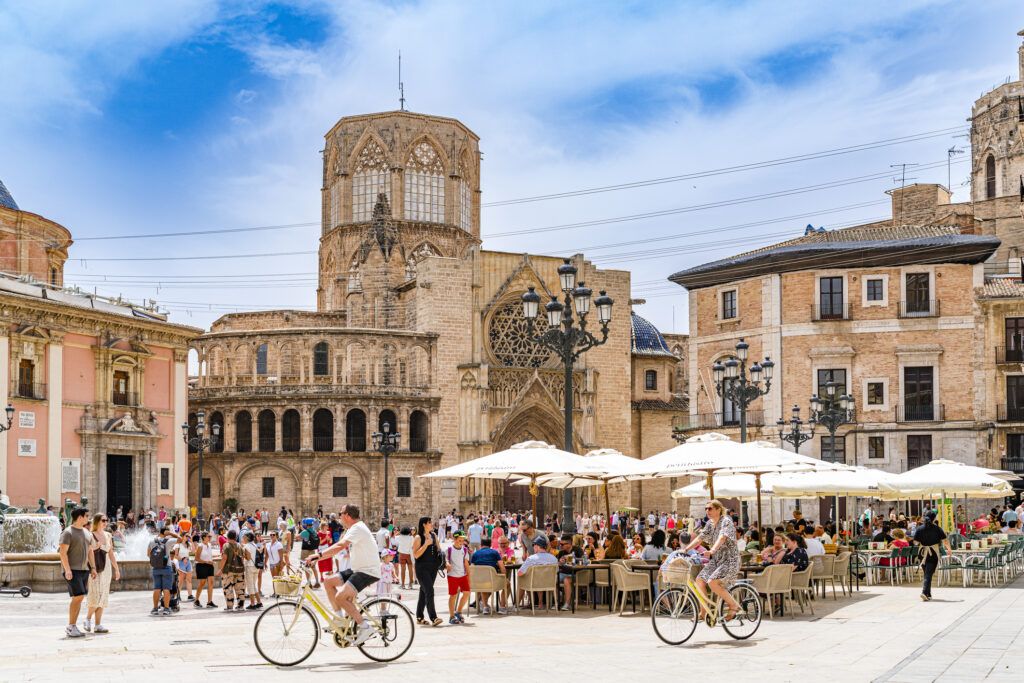
Valencia - Getty Images

Valencia – Getty Images

Valencia has become a true haven for digital nomads looking for the sea, an enviable quality of life, and an atmosphere free from big-city stress. Renting a home in Valencia costs an average of €17.13/sqm per month (€1,370 for an 80 sqm flat).

The Turia Garden, a continuous nine-kilometre park built in the converted former riverbed, runs right through the city and serves as a green lung for cyclists, runners, and families. Neighbourhoods like Ruzafa stand out for their creative energy, while El Cabanyal features traditional fisherman’s cottages right next to the beach.

What are the best areas to live in Valencia if you are an expat?

The best areas to live in Valencia as an expat are Ruzafa for digital nomads, El Carmen for historic charm, and El Cabanyal to settle down right by the sea. The flat layout of the city makes neighbourhood living exceptionally convenient across four standout areas:

  • Ruzafa: the trendy district filled with specialty coffee shops, art galleries, and bustling outdoor terraces.
  • El Carmen: the medieval historic centre, perfect for strolling through pedestrianised squares and admiring heritage monuments.
  • El Cabanyal and Malvarrosa: traditional seaside quarters offering authentic coastal living and direct beach access.
  • Benimaclet: a peaceful, multicultural district with a tight-knit community feel, highly popular among students and families.

Pros of living in Valencia for expats

  • Authentic local character: despite its rising popularity, Valencia maintains a relaxed, welcoming neighbourhood feel compared to Spain’s larger metropolises.
  • Flat and cycle-friendly: featuring over 200 kilometres of bike lanes, making daily commutes effortless.
  • Excellent for families: safe streets for evening walks, landmark parks like Parque Gulliver, and an exceptionally family-friendly social environment.
  • Market-driven gastronomy: the birthplace of authentic paella, offering daily access to the Central Market and Ruzafa Market for fresh local produce at competitive prices.

Cons of living in Valencia for expats

  • Tighter local job market: 46% of expats rate local professional opportunities unfavourably, according to international surveys.
  • Summer heat and humidity: July and August bring sticky, high humidity levels that make air conditioning indispensable.
  • Limited English outside tourist areas: beyond international enclaves, speaking Spanish is essential for errands, administration, and everyday shopping.
  • Fewer direct long-haul flights: its international airport offers fewer direct intercontinental connections compared to Madrid or Barcelona.

What is living in Malaga like if you are an expat?

Málaga - Getty Images

Málaga – Getty Images

Malaga captures the quintessential essence of southern Spain: warm weather, an outdoor Andalusian lifestyle, and rapid economic modernisation. Property hunting in Malaga puts the average purchase price at €4,331/sqm (€346,516 for an 80 sqm home), with an average rent of €16.23/sqm per month (€1,298 for 80 sqm), according to the July 2026 Fotocasa Real Estate Index.
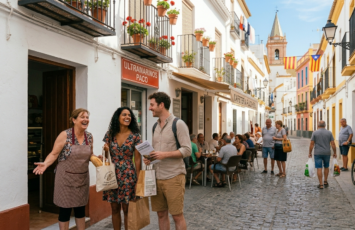
The capital of the Costa del Sol has successfully transformed its traditional profile into a leading tech hub thanks to Málaga TechPark, home to global tech leaders like Google, Vodafone, and Ericsson.

What are the best areas to live in Malaga if you are an expat?

The best areas for foreigners to live in Malaga are the Historic Centre and Soho for cultural vibrancy, La Malagueta for beachfront living, and Teatinos for family-oriented residential life.

The city balances revitalised urban centres with traditional coastal enclaves:

  • Historic Centre and Soho: the cultural core next to the Picasso Museum and the Centre Pompidou, bustling with life and restaurants.
  • La Malagueta: prime beachfront residential developments located just a short walk from the centre.
  • Pedregalejo and El Palo: former fishing villages with a bohemian charm and traditional beachside restaurants (chiringuitos).
  • Teatinos: a modern university district featuring wide boulevards, parks, and gated residential complexes ideal for families.

Pros of living in Malaga for expats

  • A sought-after Andalusian lifestyle: grilled sardine skewers (espetos) at beachside chiringuitos in Pedregalejo, lively street culture, and practically guaranteed winter sunshine. You will see people enjoying the beaches and outdoor terraces all year long.
  • Booming tech ecosystem and jobs: steady arrivals of international corporate offices and well-equipped coworking spaces.
  • Andalusia’s main air hub: Malaga Airport handles 85% of regional air traffic, providing direct connections across Europe and beyond.
  • Established English-speaking community: access to multilingual medical practitioners, clinics, and long-established British international schools.

Cons of living in Malaga for expats

  • Rising real estate prices: Malaga is in high demand, and prices reflect it. Strong investment interest from Germany, the UK, and Scandinavia has pushed average property prices above €4,300/sqm.
  • Peak-season tourist crowds: substantial foot traffic in the historic centre during Holy Week (Semana Santa), the August Fair (Feria de Málaga), and summer holidays.
  • Limited street parking: finding on-street parking in the central urban area can be challenging on a daily basis.
  • Lower local salary bands: traditional regional companies generally operate with lower pay scales than businesses in northern Spain.
  • Fewer large-scale cultural events: while the city boasts world-class museums like the Picasso Museum, major touring stadium concerts and massive international theatre productions are still primarily held in Madrid and Barcelona.

What legal requirements and documents does Spain require for foreigners moving here?

Completing all legal paperwork is an essential step to sign a lease, set up utility contracts, or work legally in Spain:

  1. Obtaining your NIE: the Foreigner Identification Number (NIE) is the essential fiscal code needed to rent a flat, purchase a vehicle, or open a bank account.
  2. Securing a visa or residence card (TIE): non-EU citizens typically relocate via the Digital Nomad Visa, an employment visa, or a non-lucrative visa.
  3. Opening a Spanish bank account: necessary to set up direct debits for electricity, water, and internet bills, as well as to receive payroll deposits or pay security deposits. Most banks allow you to complete the account opening online.
  4. Registering on the municipal census (empadronamiento): registering your address at your local town hall confirms your habitual residence and grants access to the public healthcare system (health card) and local state schools for your children.

Keep in mind: Spanish bureaucracy is not known for speed. If you are planning a move to Spain, organise and submit all paperwork well ahead of time.

What is the best Spanish city for expats?

Madrid stands out as the ideal destination if you are looking for career advancement in multinational corporations, first-rate nightlife, and don’t mind living inland away from the coast.

Barcelona will suit you best if you want to launch a startup or work in innovation surrounded by the sea, distinct architecture, and inspiring design.

Valencia offers a balanced lifestyle for digital nomads who value bike paths, green parks, and sensible living costs, while Malaga is ideal if you are looking for year-round sun, fresh seafood, and an expanding international tech community.

If you found this relocation guide helpful, feel free to rate us with 5 stars.

At Fotocasa, we have an excellent team of professionals dedicated to creating relevant content for our readers. If you enjoyed this article, we would be delighted if you published it on your website. In that case, please remember to credit Fotocasa as the original source. Thank you for your support.

Editorial Integrity of Fotocasa Life

0 Comentarios
Más antiguo
El mas nuevo
↑