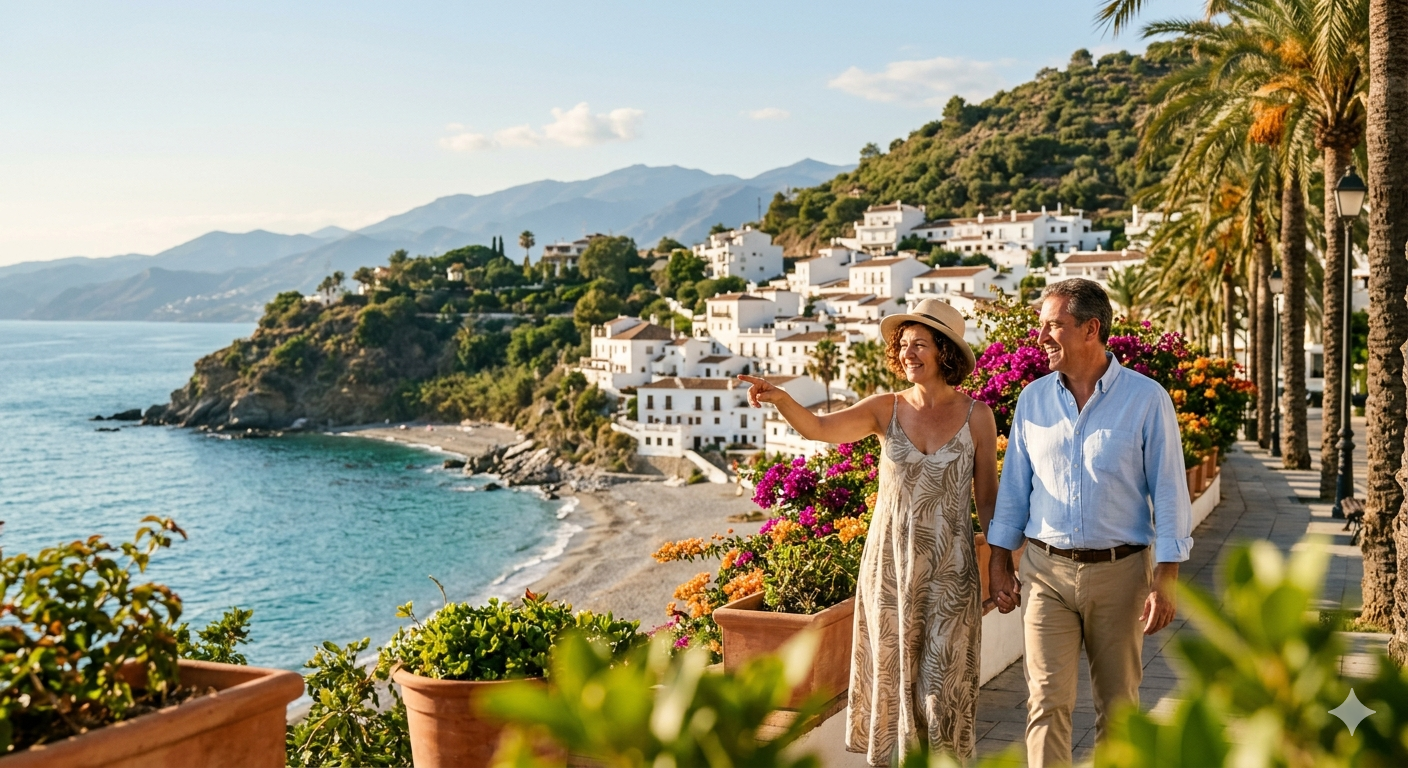

Living on the Costa Tropical: the microclimate that homebuyers fall in love with

Fotocasa is the expert real estate portal if you are looking for your home in Spain and want to resolve your doubts about housing

Patricia Andrés
Patricia Andrés Experta en el sector inmobiliario

Promedio de puntuación 4 / 5. Recuento de votos: 1

Hasta ahora, ¡no hay votos!. Sé el primero en puntuar este contenido.

  • The average property price in the province of Granada stands at 2,502 €/m² (€200,160 for an 80 m² property) in May 2026, with Almuñécar leading the costs at 3,345 €/m² (€267,574 for an 80 m² property), according to the Fotocasa Real Estate Index.
  • The region boasts a unique subtropical microclimate in Europe that guarantees more than 320 days of sunshine a year and an average temperature of around 20 °C.
  • The completion of the A-7 Mediterranean Highway and the projects for new marinas in Motril, Almuñécar, and Playa Granada boost its residential potential.

The Costa Granadina has established itself as Andalusia’s best-kept secret for those seeking tranquility between the sea and the mountains without the crowds.

More and more buyers are setting their sights on the south of Spain to establish their residence in a peaceful environment with a privileged climate.

At Fotocasa, we analyze in detail the prices, services, and the best municipalities to buy a home.

Exactly how much money do you need to purchase a property in the main towns of the Costa Tropical in 2026?

Where is the Costa Tropical?
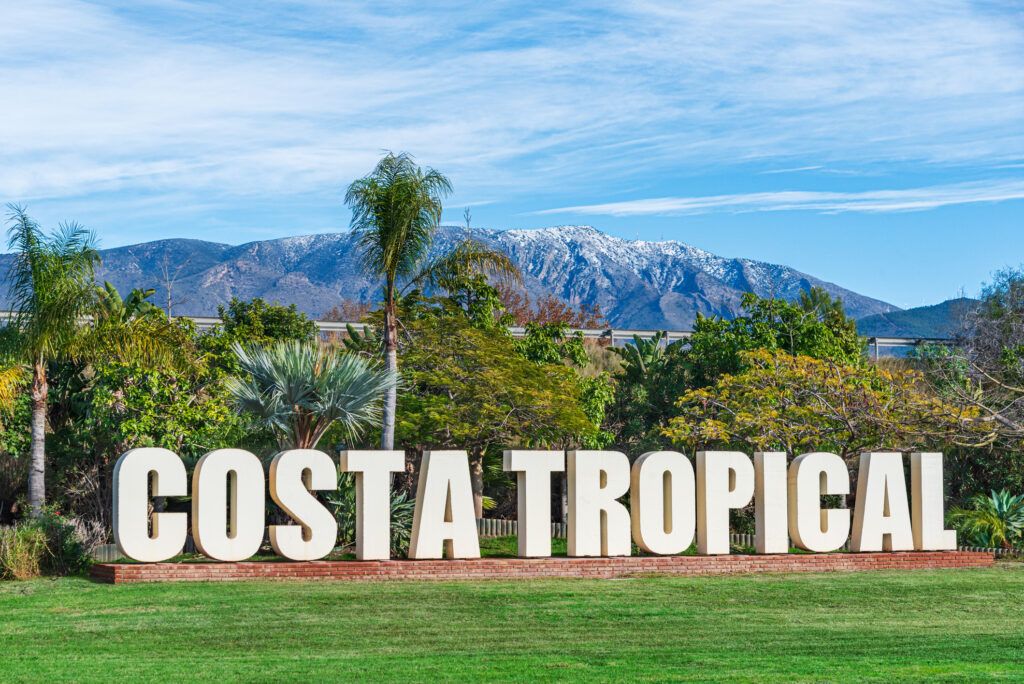
Image of Motril, on the Costa Tropical - Getty Images

Image of Motril, on the Costa Tropical – Getty Images

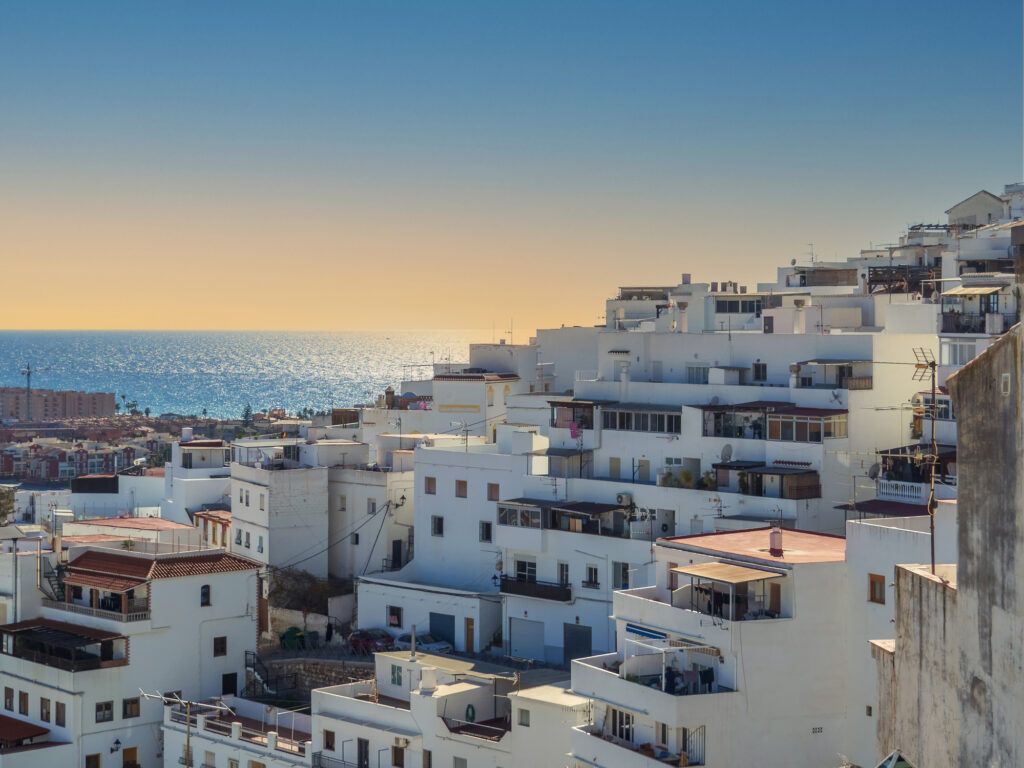
The Costa Tropical is located at the southernmost tip of the province of Granada, bordering Almería to the east, Málaga to the west, and the Mediterranean Sea to the south. This coastal region, also historically known as the Costa Granadina, is made up of a total of 18 municipalities spread across a relatively rugged terrain due to the proximity of the mountains.

The traditional and historical capital is the city of Motril.
What is it like living on the Costa Tropical?

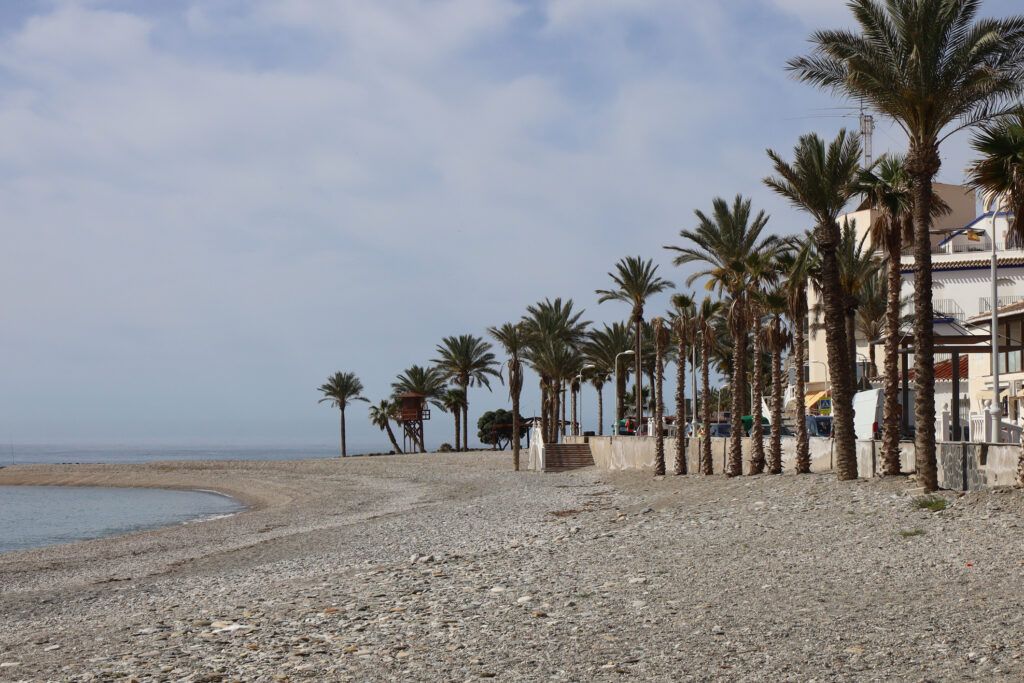
The Costa Tropical stands out for not suffering from mass construction or the large tourist crowds of other coastal areas in Andalusia. Living on the Costa Tropical offers a relaxed and healthy lifestyle, characterized by the combination of crystal-clear beaches and the mountainous landscapes of the Baetic System.

The region offers an exceptional natural environment with a rich biodiversity, where pebbly coves, cliffs, and extensive beaches alternate with ideal infrastructure for practicing water sports, windsurfing, scuba diving, or golf.

Last but not least: its excellent gastronomy. Granada’s gastronomy is based on fresh local products such as fried fish, Motril shrimp, and exotic crops unique in Europe. Pure Mediterranean diet!

Why is the climate of the Costa Granadina unique in all of Europe?

The Mediterranean climate of the Costa Granadina transforms into a subtropical microclimate thanks to the protection of the Sierra Nevada mountain range, which holds back the cold northern winds. This geographical phenomenon, known as the Föhn effect, creates constant mild temperatures ranging from an average of 18 °C in winter to 28 °C in summer.
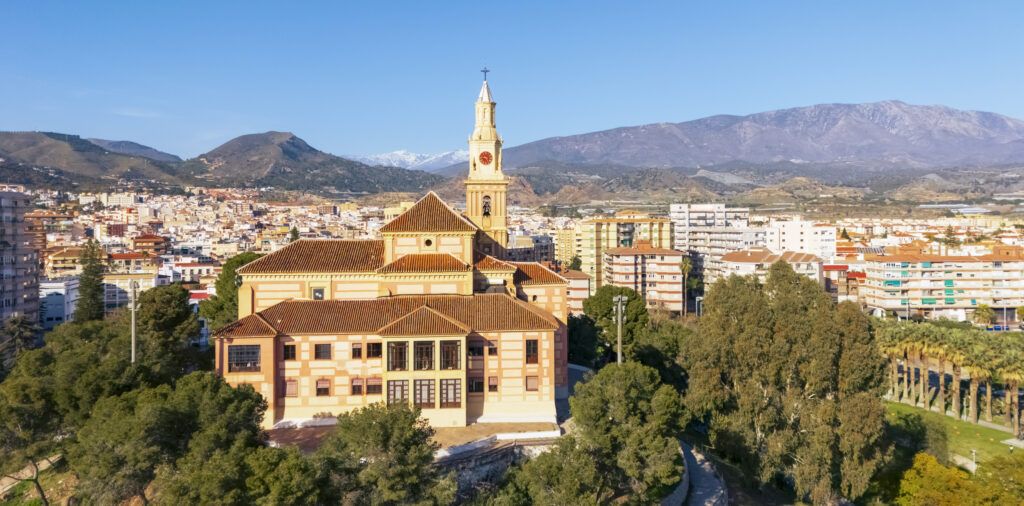
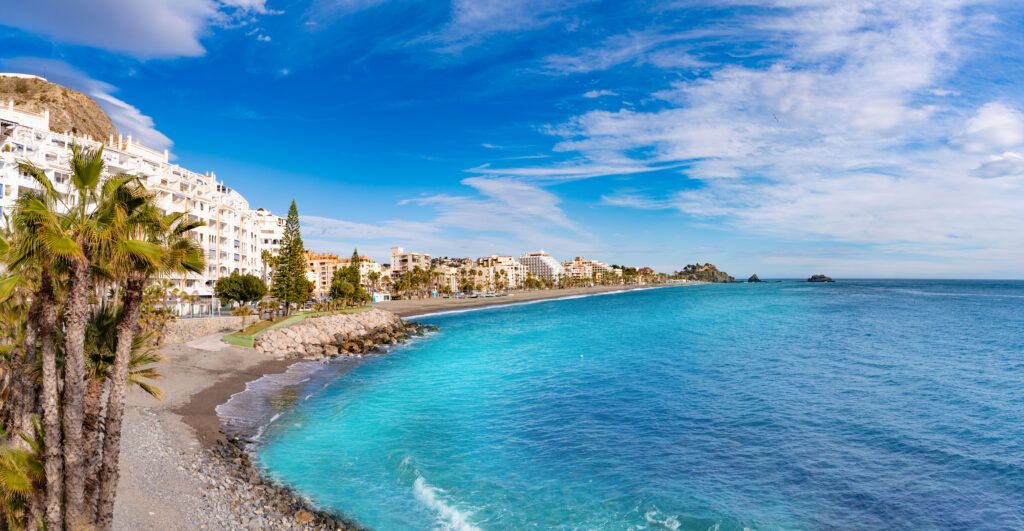
The subtropical microclimate of the Costa Tropical allows you to ski in the morning in Sierra Nevada and relax on the beach in the afternoon during the winter.

These weather conditions allow for enjoying more than 320 days of sunshine a year. In addition, they have fostered the historical development of exotic crops such as cherimoya with designation of origin, mangos, papayas, and avocados, as well as sugar cane until the last century.

Which are the best towns to buy a home on the Costa Tropical?

The best towns to buy a home on the Costa Tropical vary depending on your budget and lifestyle, highlighting hubs such as Motril, Almuñécar, Salobreña, Torrenueva Costa, and Gualchos. The region is made up of a total of 18 municipalities that combine everything from urban commercial centers to small traditional fishing settlements.

Buying a home in Motril: the commercial capital and most populated hub

Motril - Getty Images

Motril – Getty Images

Motril is the main point of reference and the largest and most inhabited municipality in the region. The average price of a typical 80 m² property in Motril is €207,465 (2,593 €/m²) in May 2026, according to the Fotocasa Real Estate Index.

Motril is the ideal option if you are looking for all urban services operating year-round, as it features hospitals, educational centers, a wide cultural offering, and the tourist area of Playa Granada, which boasts extensive sandy beaches and golf courses.

Almuñécar and La Herradura: history and a diving paradise

Almuñécar Coast - Getty Images

Almuñécar Coast – Getty Images

Buying a home in Almuñécar has an average cost of €267,574 for 80 m² properties (3,345 €/m²) in May 2026, according to the Fotocasa Index. This town offers a rich Phoenician and Roman history with a picturesque old town, parks such as El Majuelo, and family-friendly urban beaches.

The district of Almuñécar, La Herradura, stands out for its bay and the cliffs of Cerro Gordo, being an international point of reference for scuba diving.

Buying a home in Salobreña: the charm of the traditional white village

Salobreña - Getty Images

Salobreña – Getty Images

Salobreña is situated on a hill crowned by a Nasrid Moorish castle and surrounded by narrow streets and traditional white houses. The cost of a typical 80 m² property in Salobreña is €212,905 (2,661 €/m²) in May 2026, according to Fotocasa data.

Salobreña offers an active yet relaxed social life, high-quality beaches with specialized beach bars and exclusive developments on its hillsides such as Monte de los Almendros.

Castell de Ferro and Albuñol: coastal authenticity and tranquility

Beach in Castell de Ferro - Getty Images

Beach in Castell de Ferro – Getty Images

Castell de Ferro (the capital of the municipality of Gualchos) preserves the essence of a traditional fishing village with crystal-clear coves and seabeds of great interest. The average cost of housing in Gualchos (Castell de Ferro) is €202,926 for 80 m² properties (2,537 €/m²) in May 2026, according to Fotocasa data.

For its part, the municipality of Albuñol, which includes the coastal town of La Rábita, connects the sea with the lower Alpujarra, guaranteeing complete tranquility off the beaten tourist track.

How much does it cost to live on the Costa Tropical? Purchase prices in May 2026

The average property price in the province of Granada stands at 2,502 €/m² in May 2026, which means that a typical 80 m² property costs €200,160 on average, according to data from the Fotocasa Real Estate Index. The market on the Costa Tropical shows very diverse realities depending on the municipality.

Motril, Torrenueva, and Gualchos represent the most affordable options to purchase a standard home on the Granada coast in May 2026.

Almuñécar positions itself as the most expensive town. On the opposite end among the main coastal references analyzed, Gualchos (Castell de Ferro) is the most economical municipality.

Property prices by municipality on the Costa Tropical

Municipality Average price 80m² property
Almuñécar 3,345 €/m² 267,574 €
Salobreña 2,661 €/m² 212,905 €
Motril 2,593 €/m² 207,465 €
Torrenueva Costa 2,242 €/m² 179,381 €
Gualchos 2,537 €/m² 202,926 €

Source: Fotocasa Real Estate Index. Data updated to May 2026.

As the table above shows, price fluctuations reflect the strong dynamism of the region. Established tourist municipalities like Salobreña or Motril have experienced year-on-year increases exceeding 28%, demonstrating the growing interest of buyers.

What are transport and communications like on the Costa Tropical?

The Costa Tropical is connected by road via the A-7 Mediterranean Highway, a toll-free route that runs along the entire coastline and strategically connects the region with Málaga and Almería. Likewise, the A-44 highway directly links the coast with the city of Granada and its ski resort.

When living on the Costa Tropical, driving distances from central points like Salobreña are short: it takes about 40 minutes to reach the Alhambra, 55 minutes to the Granada-Jaén Airport (GRX), and less than an hour to Málaga Airport. Inland public transport is provided by local buses connecting the municipalities, although with fewer schedule options.

It is important to emphasize that the region does not have train services.

By sea, the Port of Motril has regular ferry connections to Melilla, Al Hoceima, and Nador. In addition, nautical infrastructure will be boosted by the processing of three new private and public marina projects in Almuñécar, Playa Granada, and Motril, planned to add more than 2,000 new berths to the province.

Living on the Costa Tropical: pros and cons you should consider

Living on the Costa Tropical balances unique advantages such as its microclimate and careful urban planning against disadvantages like car dependency. When we are thinking about buying a house on the Granada coastline, it is necessary to weigh all the factors that shape the daily experience in the region.

What are the advantages of residing on the Costa Granadina?

  • Exceptional subtropical microclimate: You enjoy mild temperatures all year round with more than 320 days of sunshine.
  • Careful urban development: Local regulations protect the coast from mass construction, preserving panoramic sea views from the hillsides.
  • Competitive value for money: Properties offer more competitive costs than the saturated neighboring areas of the Costa del Sol.

Disadvantages you should consider if you want to buy a house on the Costa Tropical

  • Dependence on your own vehicle: The car is the most convenient means of transport due to the total absence of trains and the limitations of buses.
  • Holiday seasonality: During the high summer season, some main areas experience a notable increase in noise and crowds due to tourism.

Living on the Costa Tropical is an ideal option if you prioritize tranquility, a healthy climate, and are looking for a property with sea views at more competitive prices than in other traditional coastal areas. However, you must weigh the need to have your own vehicle for your daily commutes and accept the increase in tourist influx during the summer months.

If you want to know more about how sale prices will evolve in the province of Granada, do not hesitate to consult our updated reports with the purchase price of housing in Spain.

And you, which of these municipalities would you choose to establish your residence on the Costa Tropical? Leave us your opinion in the comments.

At Fotocasa, we have an excellent team of professionals dedicated to creating relevant content for our readers. If you enjoyed this article, we would be delighted if you published it on your website. In that case, please remember to credit Fotocasa as the original source. Thank you for your support.

Editorial Integrity of Fotocasa Life

0 Comentarios
Más antiguo
El mas nuevo