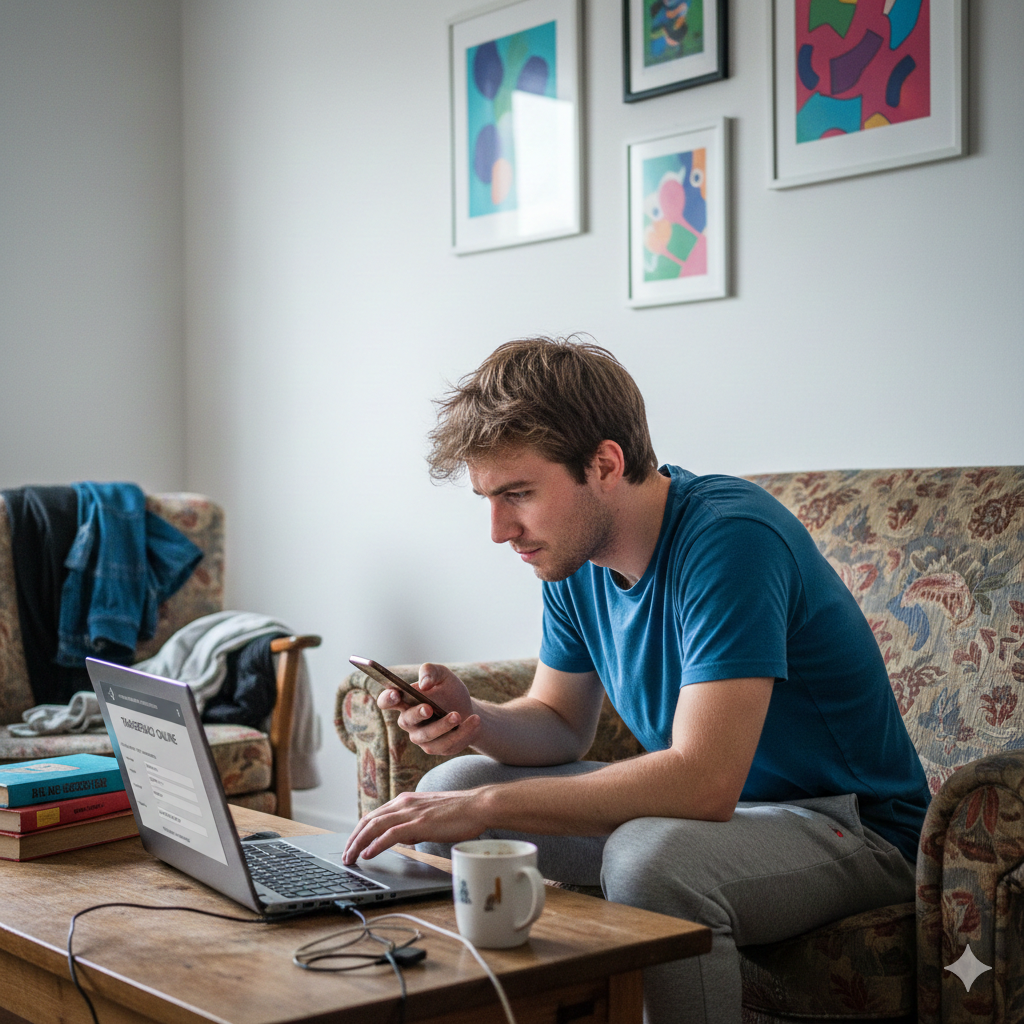

In Spain, buying property as a foreigner is not something occasional or anecdotal. In the third quarter of 2025, transactions carried out by foreign buyers accounted for 13.58% of total property sales, according to the latest report from the Registro de la Propiedad. This figure confirms the significant role non-residents play in the Spanish real estate market.
When we buy a home in Spain while living abroad, it is not enough to simply know that the instalment must be paid. It is important to understand how to send money to Spain to pay your mortgage, what options are available and how to do it in an organised way to avoid penalties, surcharges or unnecessary costs.
At Fotocasa, we explain what you need to bear in mind if you have a mortgage in Spain and live abroad, and how to properly plan the monthly transfer of funds.

Where is a mortgage paid if the property is in Spain?
If we buy a property in Spain and need financing, the usual practice is for the mortgage to be taken out with a Spanish bank.
This happens because:
-
The property is located in Spanish territory.
-
The loan is secured against that property.
-
The lending institution must be able to register the mortgage with the Registro de la Propiedad in Spain.
A mortgage is a loan secured against the property itself. Therefore, when the property is in Spain, the process is formalised within the Spanish financial and land registry system.
In addition, many Spanish banks offer specific products for non-residents who want to purchase a property in the country.








 Your home in Spain