Article 21 of the LAU regulates property maintenance according to these technical criteria:
- The landlord (Owner): must pay for major repairs to water, electricity, heating, boiler, or structural systems to maintain habitability, with no right to raise the rent as a result.
- The tenant: must pay for minor ordinary repairs arising from daily wear and tear and common home use (such as light bulbs or taps).
If an urgent breakdown occurs that could cause serious and imminent damage, the tenant may repair it after notifying the landlord and demand immediate reimbursement of the cost.
7. What is the history of rent increases and how will the rent be updated?
When renting a flat in Spain, you should ask whether the contract includes an annual adjustment clause. In accordance with the Housing Law, rents can be updated according to official reference indices set by the INE (National Statistics Institute), but it is not mandatory for the landlord to apply this update, so it is advisable to clarify the owner’s intention.
8. Why is the previous tenant leaving?
Asking about the reason for the previous tenant’s departure will provide you with valuable information about the home, the surroundings, or potential hidden issues with the building or neighborhood before you make a commitment.
9. Are pets allowed in the rental property?
If you have pets or plan to get any, you should ask about the landlord’s policy before moving forward with the paperwork, as concealing it can be grounds for contract termination.
Although the law in Spain does not explicitly forbid animals in homes, it grants total freedom to the landlord to accept or deny them. If the landlord decides to prohibit pets, this restriction must mandatory appear in the contract clauses.
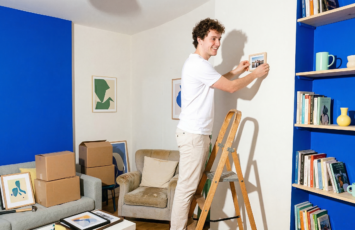
10. Are modifications to the property permitted, such as painting or hanging pictures?
Article 23 of the LAU expressly prohibits carrying out works that alter the configuration of the home or its fixtures without the written consent of the landlord. Under no circumstances may renovations be carried out that compromise the safety or stability of the property.
When viewing the flat, ask about the limits for personalizing the home. Many landlords allow minor cosmetic modifications, such as painting walls or putting up shelves, provided the property is returned to its original state before moving out. If you need to make an essential change, request that it be recorded in writing in the final contract.
11. Is the flat furnished, and can furniture be changed or removed?
If the listing shows furniture but you prefer to use your own, ask immediately whether it can be removed. If you choose to keep it, ask for a detailed inventory to be attached to the contract to protect your deposit.
12. Are there specific homeowners’ association rules?
It is essential to inquire about community rules. Ask if there are restrictions on using common areas, for example, whether access to the shared rooftop is permitted, noise schedules, or the use of lightwells.
All the questions to ask when viewing a rental flat in Spain
- What expenses are included in the monthly rent?
- How many months of security deposit and additional guarantees are required?
- Are utilities connected and whose name are they under?
- What type of contract will be signed and what is its duration?
- Is there an early termination penalty clause?
- Who handles repairs and breakdowns in the property?
- What is the history of rent increases and how will the rent be updated?
- Why is the previous tenant leaving?
- Are pets allowed in the rental property?
- Are modifications permitted in the property, such as hanging pictures?
- Is the flat furnished, and can furniture be changed or removed?
- Are there specific homeowners’ association rules?
|
Checklist: What to check Inside and outside the flat when viewing a rental property in Spain
Flat viewings are usually brief, so having a physical checklist will help you scan critical points of the property in a few minutes. At Fotocasa, we recommend inspecting the following elements when viewing a home to rent:
What to check inside the rental flat during the viewing
- Windows and joinery: inspect the condition of windows to ensure insulation and check for cross ventilation.
- Damp and cracks: inspect ceilings, corners, and walls to rule out leaks or structural issues.
- Plumbing and water pressure: turn on taps to test water pressure, temperature, and ensure there are no drain leaks.
- Appliances and boiler: ask about their age and basic operation.
- Inventory and furniture: if the flat is furnished, confirm which items will stay and ask for a photographic list to be attached to the contract to safeguard your deposit.
- Carpentry and flooring: ensure closet doors close properly and that flooring or parquet shows no severe previous damage.
What to check in the surrounding area and neighborhood community
- Orientation and natural light: observe the influx of natural sunlight, as it directly impacts heating savings in winter. You can ask which direction the flat faces.
- Noise and acoustic pollution: walk around the neighborhood at different times of day to check street activity or the presence of nightlife venues.
- Nearby amenities: check proximity to supermarkets, pharmacies, schools, parks, and public transport (metro, train, or buses).
- Parking: ask if a garage space is included (and its extra cost) or assess street parking difficulty for your daily routine.
- Community rules: inform yourself about internal regulations regarding noise, common area usage, or waste management.
Key aspects to verify when viewing a rental flat in Spain
| Inspection Area |
Point to Verify |
| Systems |
Water pressure and boiler |
| Structure |
Damp and insulation |
| Surroundings |
Amenities and area noise |
| Contract |
Inventory and LAU clauses |
Source: Fotocasa, July 2026.
Attending a rental viewing with a detailed list of questions is the best way to avoid surprises or misunderstandings.
In today’s market environment, where regulations change continuously and access to rentals is increasingly competitive, taking the necessary time to inspect the flat and talk with the owner will ensure a transparent and smooth rental experience for both parties.
Did you find this article useful? Help us out by rating it 5 stars.







 Your home in Spain